Most homeowners in the Dallas-Fort Worth area don’t think twice about their chimney until something goes wrong. A smoky living room. A water stain on the ceiling. A strange smell when the fireplace runs. By that point, what could have been a simple fix has often turned into a real repair.
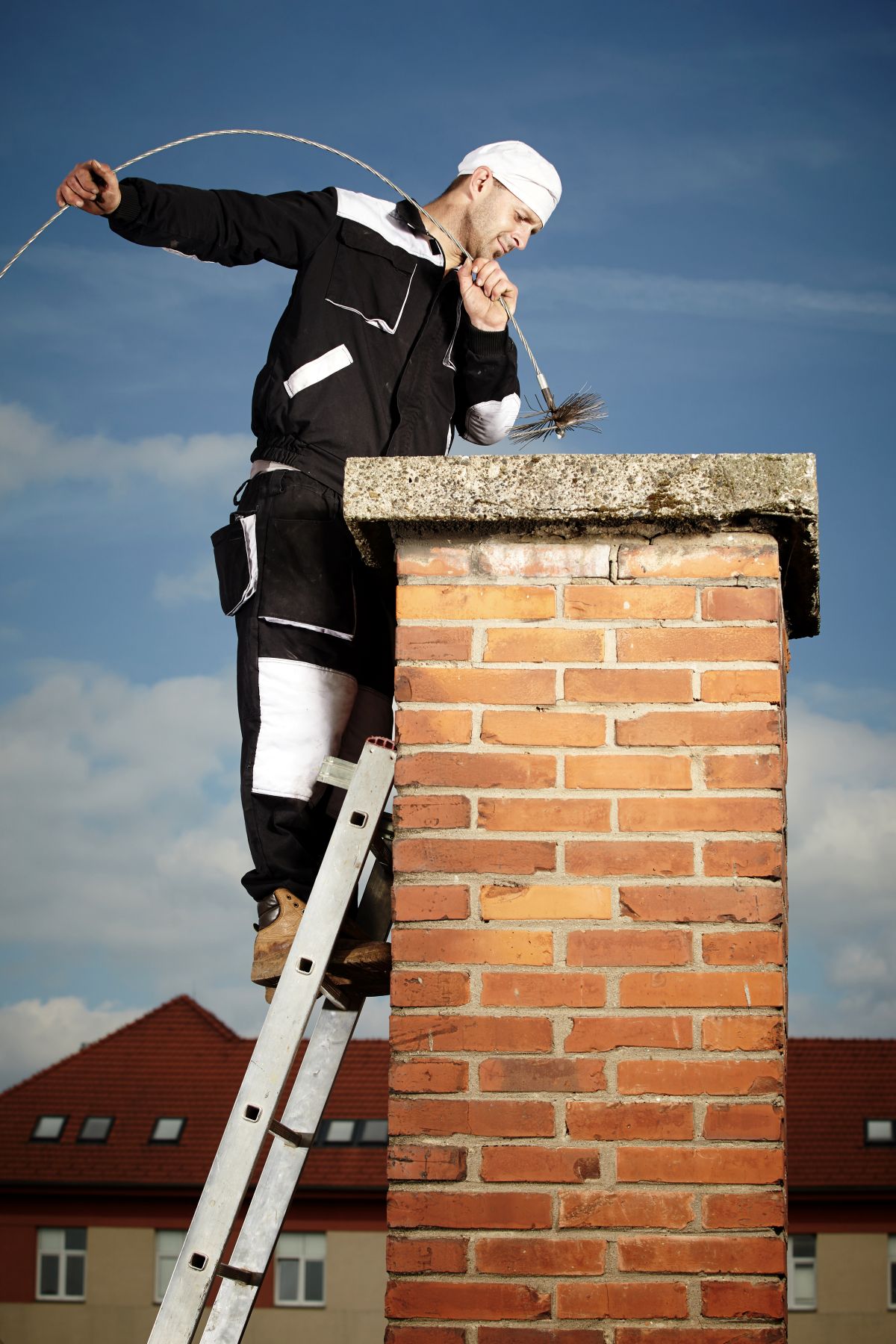
A professional chimney inspection exists to catch problems before they reach that stage. And the issues it uncovers aren’t always dramatic — in fact, the most common ones are completely invisible from the outside. Here’s what our technicians are actually looking for when they inspect a chimney, and why each one matters.
1. Water Leaks You Can’t See Yet
Water is the single most destructive force working against your chimney, and in North Texas, it has plenty of opportunities. Between spring storms, summer humidity, and the occasional hard freeze, your chimney’s exterior takes a beating year-round.
The problem is that water damage rarely announces itself right away. It starts small — a hairline crack in the crown, a compromised mortar joint, a flashing seal that’s pulled away from the roofline — and works its way inward over months or years. By the time moisture shows up as a stain on your ceiling or a spalled brick on the exterior, the damage is already well underway.
A chimney inspection checks every entry point water might exploit: the crown, the cap, the mortar joints, the flashing, and the firebox interior. Catching a failing seal or a small crack early is a minor repair. Missing it for another season often isn’t.
2. Gaps and Cracks in the Flue Liner
Your chimney liner is what keeps the heat, smoke, and combustion gases from your fireplace contained within the flue and directed safely out of your home. It’s also one of the parts of your chimney that most homeowners never think about — because you can’t see it without a proper inspection.
Liner damage is common and can develop for any number of reasons: age, the natural expansion and contraction from heat cycling, the settling of your home’s foundation, or the aftermath of a chimney fire. Even a small crack or gap in the liner changes the equation. Hot gases can reach combustible materials in your walls. Carbon monoxide can find its way into living spaces.
An inspection that includes a proper look at the flue liner — not just a quick glance from below — is the only reliable way to know whether your liner is doing its job. If it isn’t, the sooner you know, the better.
3. Foundation Shifting and Structural Movement
Texas soil is famously unforgiving. The expansive clay throughout the DFW area swells when it’s wet and shrinks when it’s dry, and that movement affects everything built on top of it — including your chimney.
Over time, that constant shifting can open up gaps at the connection between the chimney and the roofline, cause the chimney stack to lean or separate from the house, and crack the masonry in ways that compromise the entire structure. What starts as a cosmetic concern can become a structural one faster than most homeowners expect.
An inspection evaluates the chimney from the base to the top, looking for signs of movement, separation, and stress. Identifying a developing problem early means addressing it before it requires major structural work.
4. Creosote Buildup Inside the Chimney
If you have a wood-burning fireplace, creosote is a fact of life. Every fire you burn sends combustion byproducts up through the flue, and a portion of those byproducts condense on the interior walls of the chimney as a dark, sticky — and highly flammable — substance called creosote.
Light, flaky creosote is a manageable nuisance. Heavy creosote buildup, or the hardened, tar-like third-degree variety, is a fire waiting for an opportunity. The National Fire Protection Association cites creosote as one of the leading causes of residential chimney fires in the country.
The amount of creosote that accumulates depends on how often you use your fireplace, what you burn, how hot your fires burn, and the condition of your flue. An inspection tells you exactly where you stand — and if cleaning is needed, the right time to address it is before the next fire season, not after. Creosote warning signs >>
5. Pests and Animal Intrusion
An uncapped or damaged chimney is one of the most accessible entry points in your entire home. Birds, squirrels, raccoons, and other small animals routinely find their way in — particularly in spring, when they’re actively searching for safe places to nest.
The problem goes beyond the obvious nuisance. Animal nests are a blockage and a fire hazard. Animals that enter and can’t find their way out die inside the flue, creating odor problems and attracting insects. And once an animal has nested in your chimney, it often returns.
An inspection checks for signs of intrusion and evaluates the condition of your chimney cap — the most important line of defense against pests. If the cap is damaged, improperly fitted, or missing entirely, that’s something you want to know before nesting season gets fully underway.
What a Chimney Inspection Actually Costs You
Here’s the straightforward math: a chimney inspection is one of the least expensive services we offer. The problems it catches — a failed liner, significant creosote accumulation, water damage that’s had years to work its way in — can run into the thousands of dollars to correct.
Most of those problems don’t give you much warning. They develop quietly, out of sight, and they don’t resolve on their own.
The CSIA recommends annual chimney inspections for any chimney in regular use. Even if your fireplace only sees occasional use, an inspection every year or two keeps you ahead of problems that are much easier to fix when they’re small.
Schedule Your Inspection with The Chimney Sweep
At The Chimney Sweep, we’ve been inspecting, cleaning, and repairing chimneys throughout the DFW Metroplex for over 45 years. Our technicians know what to look for, and we give you an honest assessment — not a list of repairs designed to pad a bill.
If you can’t remember the last time your chimney was inspected, that’s reason enough to schedule one.
Call us at (214) 764-1350 or request a quote online. We serve homeowners throughout Dallas, Plano, Frisco, McKinney, Allen, Richardson, and the entire DFW Metroplex.