

Gas Starter Installation
For Fireplaces in Dallas & the DFW Metroplex
Enjoy the Warmth of a Wood Fire—Without the Hassle
At The Chimney Sweep, we’ve been helping Dallas-area homeowners get the most out of their fireplaces since 1977. As part of our commitment to safety and convenience, we proudly offer professional gas starter installation services for wood-burning fireplaces across the DFW Metroplex.
If you love the look, sound, and smell of a traditional wood fire—but hate the hassle of kindling and lighter fluid—a gas starter (also known as a gas log lighter) is the perfect upgrade.
What Is A Gas Starter?

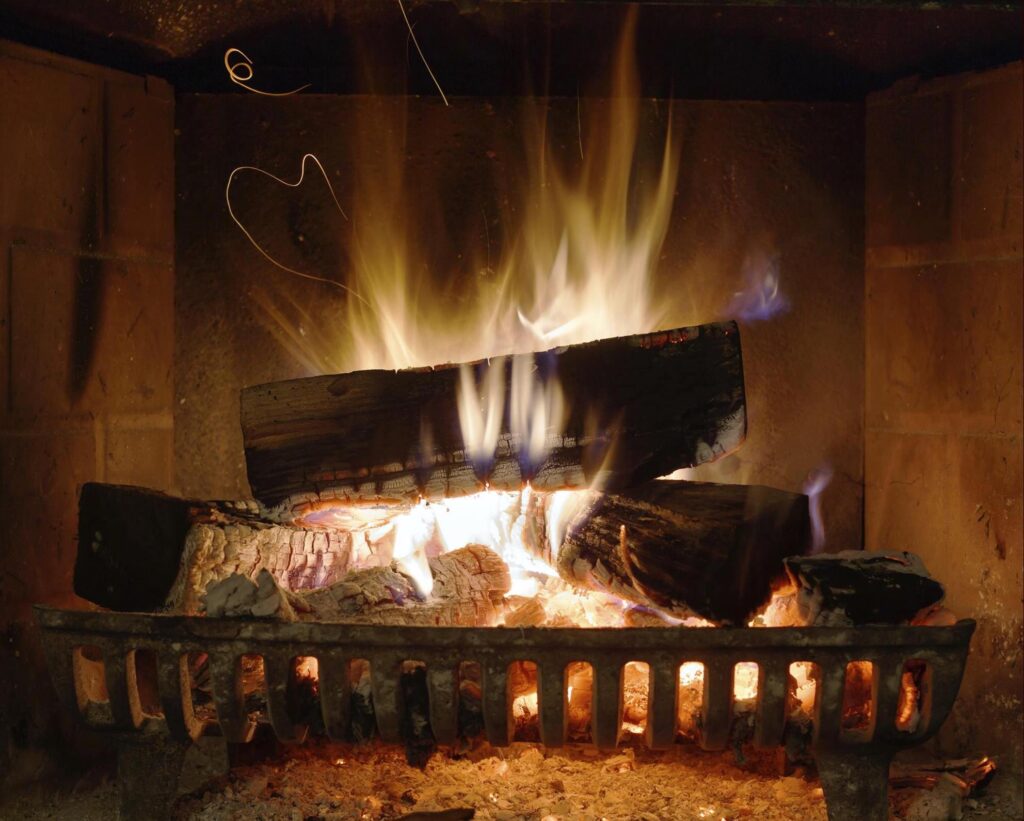
A gas starter is a fixed metal pipe with small holes along the top, installed underneath the fireplace grate. When you turn on the gas, the pipe emits a row of small flames that easily ignite your firewood. It’s a clean, controlled, and efficient way to get your fire going in seconds—without newspaper, matches, or chemical accelerants.
This upgrade is ideal for masonry or prefabricated wood-burning fireplaces that are already vented and properly constructed.
Benefits of a Gas Starter
Installing a gas starter offers several practical advantages:
✅ Fast, Easy Fire Starts
Say goodbye to struggling with kindling or fighting to keep a flame going. A gas starter provides instant, reliable ignition.
✅ No More Lighter Fluid
Avoid messy and dangerous starter fluids—gas starters give you a cleaner, safer lighting option.
✅ Even Flame Distribution
The pipe’s flame evenly spans the width of your grate, helping the logs ignite consistently.
✅ Improved Safety
When professionally installed and used properly, gas starters are much safer than DIY lighting methods.
What’s Included in Our Gas Starter Installation?
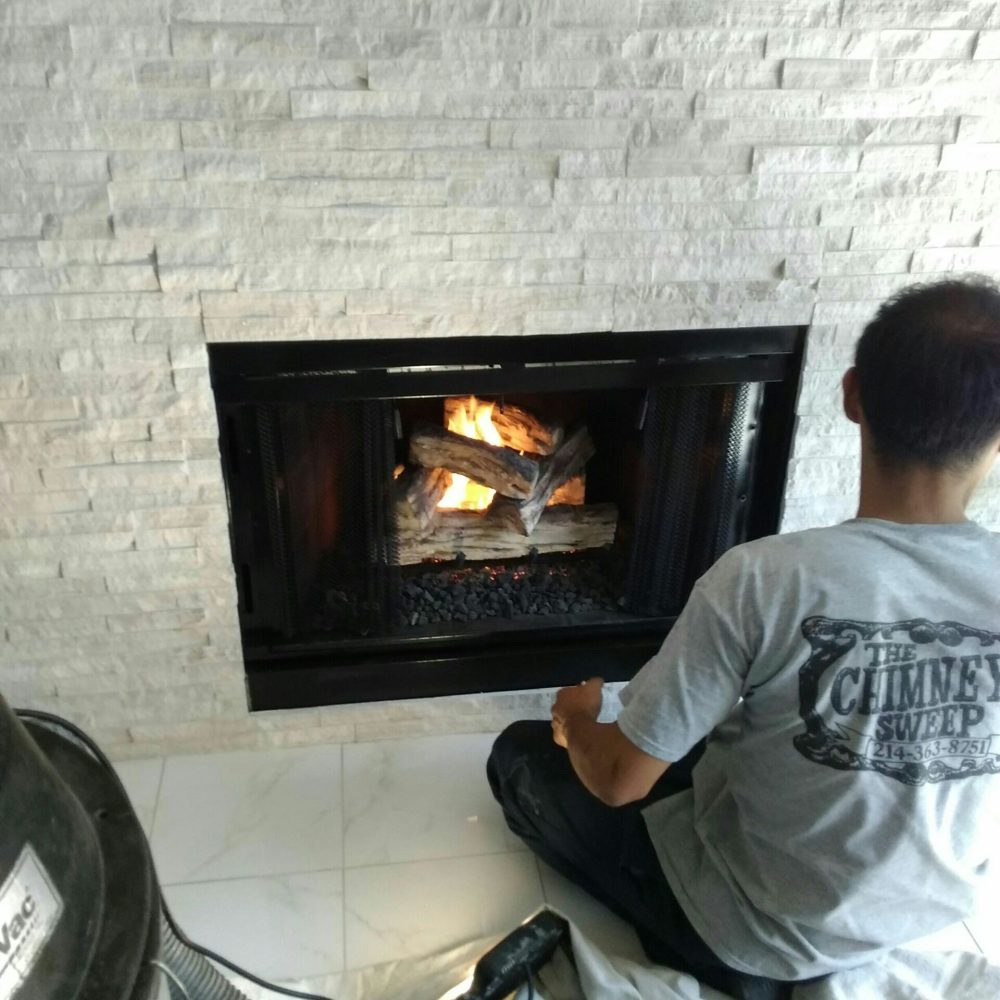
At The Chimney Sweep, our licensed and experienced technicians handle every part of the job with care and professionalism:
Site Evaluation & Fireplace Inspection
We assess your firebox, chimney, and existing gas infrastructure to ensure compatibility and code compliance.
Gas Line Hookup
We safely connect your fireplace to a natural gas line or propane source, using proper fittings and shut-off valves.
Starter Pipe Installation
We install a durable, UL-listed log lighter pipe beneath your fire grate, ensuring optimal positioning for ignition and airflow.
Control Valve Placement
For safety and ease of use, we install a key-operated gas valve (or similar approved system) to control gas flow.
Testing & Safety Check
Before we leave, we check for leaks, verify proper flame function, and ensure your chimney is drafting correctly.
Hear What Our Clients Say
Important Safety Tips
While a gas starter makes life easier, it’s important to follow these guidelines:
- Never leave the gas running during the entire fire—use it only to ignite the logs.
- Always open the damper before lighting the starter.
- Have your chimney cleaned and inspected annually.
- Keep a carbon monoxide detector in the same room as the fireplace.
- Only burn seasoned hardwood—never trash, treated wood, or wet logs.
Why Homeowners Trust The Chimney Sweep
We’ve earned the trust of Dallas homeowners for over four decades by offering honest advice, top-quality craftsmanship, and outstanding customer care. When it comes to fireplace upgrades like gas starters, we bring:
✔️ 45+ years of fireplace and chimney experience
✔️ Fully licensed, insured, and certified installers
✔️ Friendly, punctual service across the DFW Metroplex
✔️ Upfront pricing with no hidden fees
✔️ A legacy of safety, quality, and reliability
Book Your Gas Starter Installation Today
If you’re ready to simplify your wood-burning experience while adding an extra layer of safety and comfort, call The Chimney Sweep. Our gas starter installation service is quick, code-compliant, and tailored to your specific fireplace.
📞 Call us today at (214) 363-8751
📍 Serving Dallas, Plano, Frisco, McKinney, and the entire DFW Metroplex
🧹 Your trusted chimney experts since 1977
Let us help you enjoy the warmth of your fireplace—with none of the hassle.