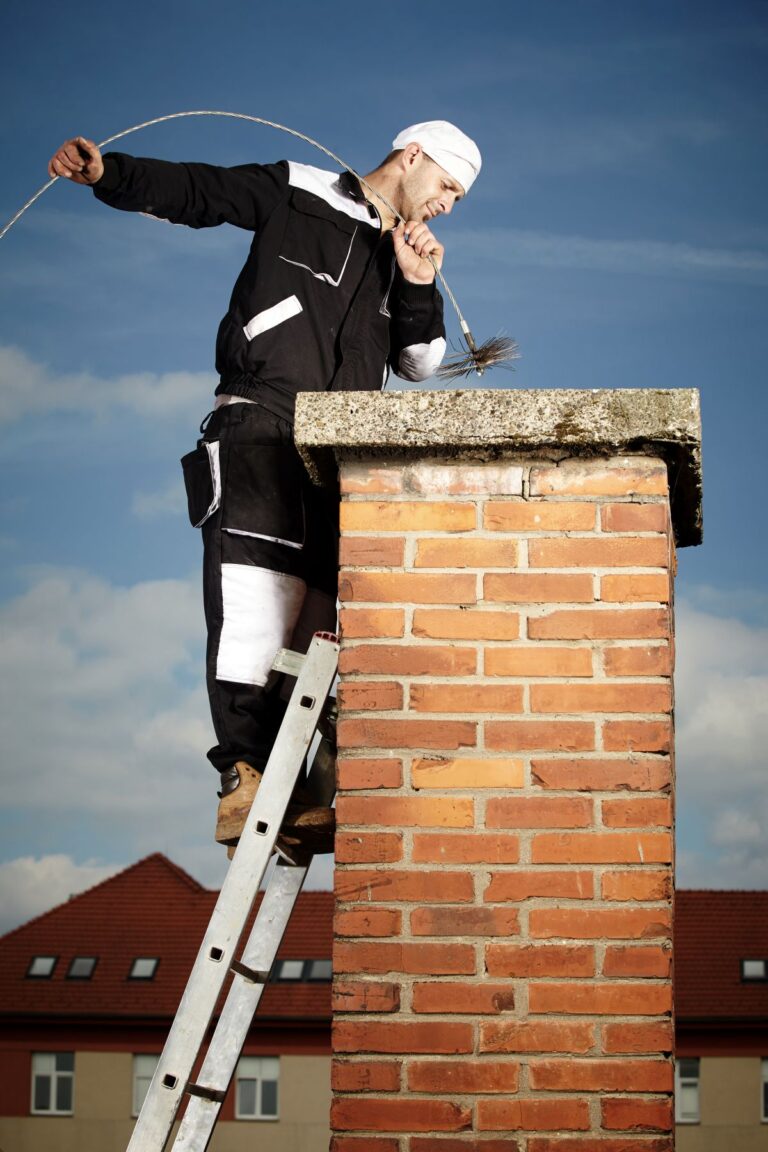



If you’ve lived in the Dallas-Fort Worth area for any length of time, you know Texas weather doesn’t play games. One afternoon it’s sunny and calm, and by evening you’re watching hail bounce off your driveway and tree branches whip past your window. While most homeowners think to check their roof, windows, and siding after a major storm, one critical area almost always gets overlooked — the chimney.
Your chimney takes the full brunt of every storm that rolls through. It sits exposed at the highest point of your home, and the damage it sustains isn’t always obvious from the ground. Here’s what Texas storms can do to your chimney, and why acting quickly matters.
Hail Damage: More Serious Than It Looks
North Texas is one of the most hail-prone regions in the entire country. When hailstones slam into your chimney, they don’t just leave dents — they chip and crack the mortar joints between your bricks, fracture clay flue tiles, and can knock chimney caps completely off.
Cracked mortar is particularly concerning because it opens the door for water to seep in. Once moisture gets into the masonry, it expands and contracts with every temperature change, accelerating the deterioration far beyond what the hail caused on its own.
High Winds: When the Chimney Cap Disappears
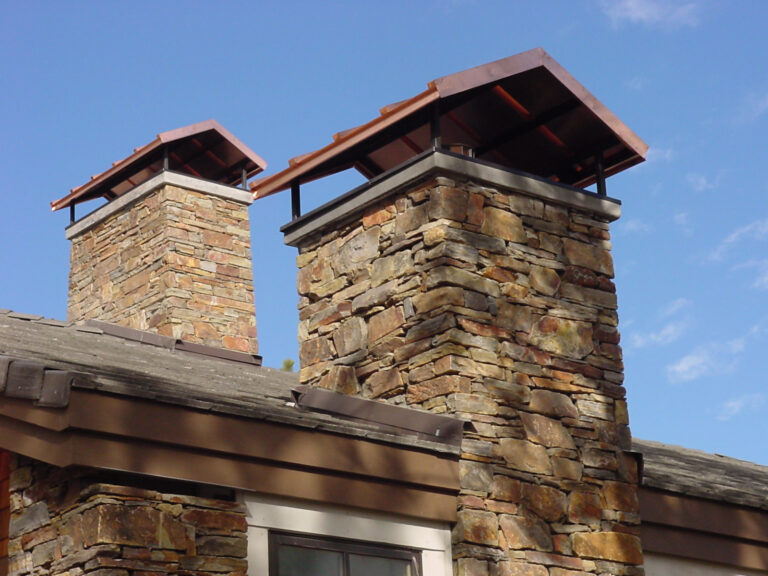
Those powerful Texas wind gusts — especially during severe thunderstorms and the occasional derecho — can tear off a chimney cap or shift it out of position. Your chimney cap is your first line of defense against rain, debris, and animals entering the flue. Without it, your chimney is completely exposed.
Wind-driven rain is equally damaging. When water is pushed sideways at high velocity, it finds every small crack in your masonry and forces its way inside. Over time, this leads to deteriorating mortar, damaged flashing, and water stains on the interior walls and ceiling around your fireplace.
Heavy Rain: The Slow Damage You Don’t See Coming
Texas storm systems can drop inches of rain in a matter of hours. For your chimney, prolonged heavy rain is a stress test it may not pass — especially if it’s already showing signs of wear.
Water that makes it past a damaged crown, cracked cap, or compromised flashing can soak into the masonry, rust your damper, and even find its way into your firebox. Left unaddressed, moisture damage inside a chimney can lead to mold growth, structural deterioration, and costly repairs that could have been avoided with a simple post-storm inspection.
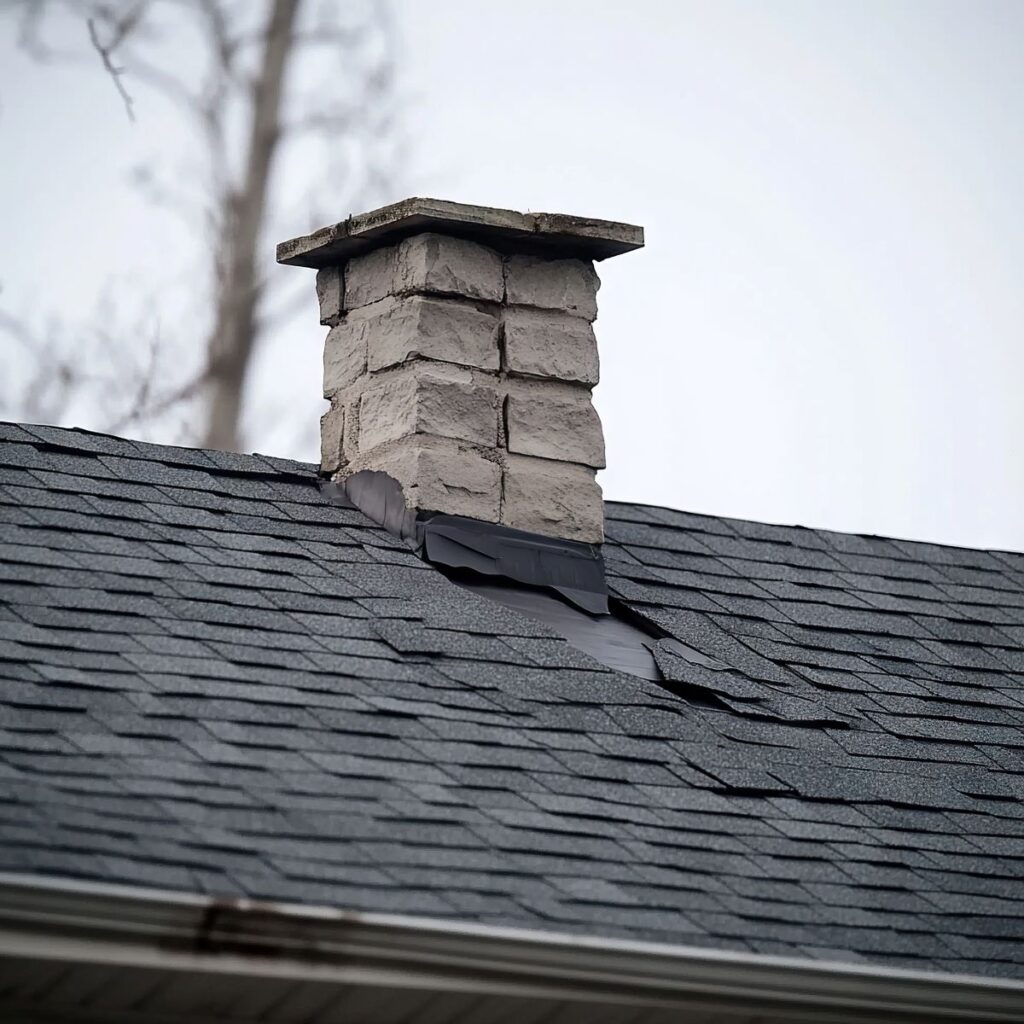
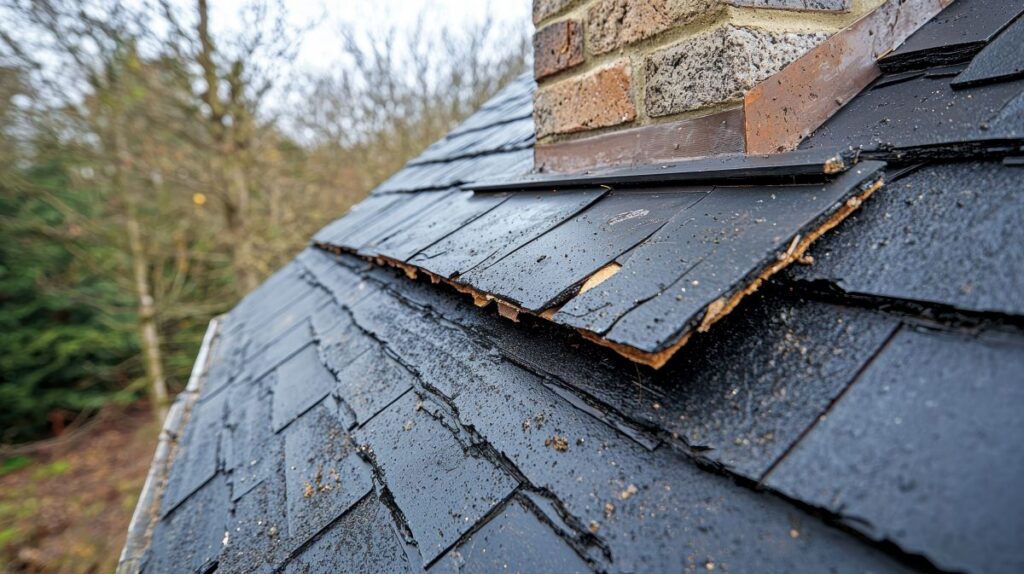
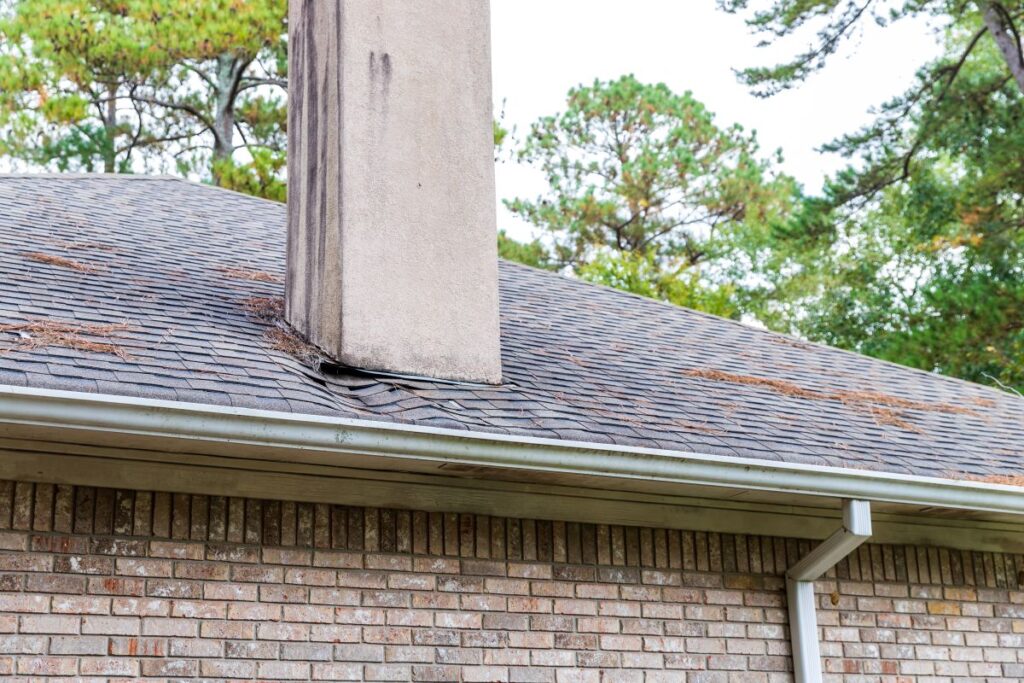
Your Chimney Flashing: A Weak Point in Every Storm
Flashing is the metal seal that connects your chimney to your roof. It’s designed to keep water from running down into your home at that junction — but it’s also one of the most vulnerable parts of your chimney during a storm. High winds can lift and bend flashing, and hail can puncture or warp it. Once the seal is broken, water intrusion follows.
What DFW Homeowners Should Do After a Major Storm
You don’t need to climb on the roof yourself. What you do need is a professional chimney inspection from someone who knows exactly what to look for. At The Chimney Sweep, we’ve been inspecting and repairing chimneys across the Dallas-Fort Worth Metroplex for over 45 years. We’ve seen every type of storm damage North Texas can dish out — and we know how to fix it right.
After a significant storm, we recommend scheduling an inspection before you use your fireplace again. What looks minor on the outside can be a serious safety hazard on the inside.
Don’t wait for a small problem to become a big one. Contact The Chimney Sweep today to schedule your post-storm chimney inspection. We serve homeowners throughout Dallas, Plano, Frisco, McKinney, and the entire DFW Metroplex.