If you have never had your chimney swept, it is natural to wonder what you are signing up for. Will it be messy? Will someone be in your house for half a day? Will you be handed a surprise list of repairs? Here is exactly how a professional chimney cleaning goes at a DFW home, from the moment the technician pulls up to the final walk-through.
Short version: most standard cleanings take roughly one to two hours, the work area is covered and vacuumed as we go, and you get a plain-English report of what we found. Our no-hidden-fees policy means the price you are quoted is the price you pay.
Before we arrive: a few things that help
You do not need to do much, but a little prep keeps the visit quick. Let the fireplace go cold for at least 24 hours if you used it recently. Clear a path of about three feet in front of the hearth, and move rugs, candles and breakable décor out of the way. If you have a pet that bolts for open doors, plan to keep it in another room, because we will be walking in and out to the roof and truck.
It also helps to tell us what you have noticed. A smoky smell when it rains, a draft you cannot explain, smoke drifting into the room, or the sound of scratching in the flue are all worth mentioning when you call. They tell the technician where to look first.
The cleaning, step by step
- Walk-through and quick inspection:
We start by looking at the firebox, damper and what we can see up the flue. We are checking for heavy buildup, blockages, cracked brick or tile, and signs of water. If something looks off, we will show you before we go further. - Protecting your home:
Drop cloths go down over the floor and furniture near the hearth, and the fireplace opening is sealed off so soot has nowhere to drift. Cleaner chimneys start with a cleaner setup, and this is the step that separates a tidy visit from a messy one. - Sweeping the flue:
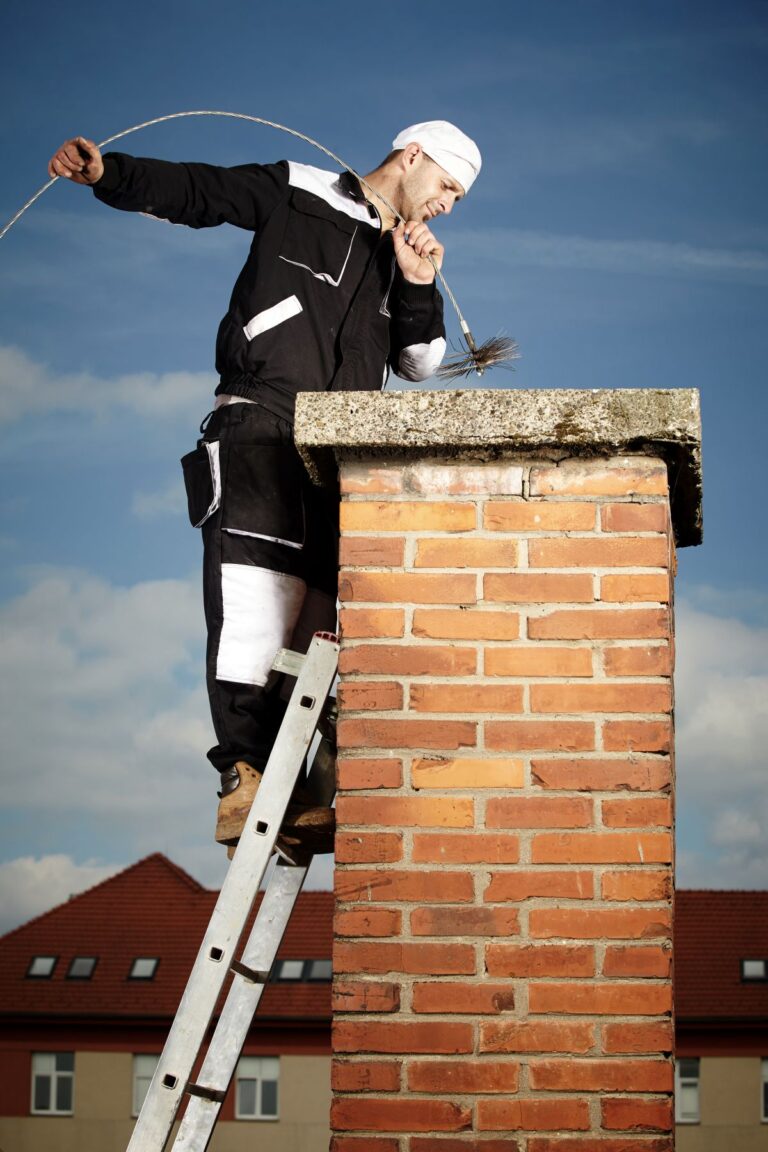
Using brushes sized for your flue and a high-powered vacuum, we remove soot, ash and creosote from the smoke chamber and flue walls. The type of brush and the amount of work depends on how much buildup we find, which is why a once-a-year chimney is a quicker job than one that has gone five years. - Clearing the firebox, damper and smoke shelf:
Debris collects on the smoke shelf behind the damper, and a sticky or warped damper is common in older homes. We clear it, test the damper, and let you know if it needs attention. See our damper repair and installation page if it does. - Final check and clean-up:
We vacuum the hearth and surrounding area, remove the covers and take the debris with us. Then we confirm the draft is clear and the flue is open. - Your report:
You get a simple summary of what we found: how heavy the buildup was, the condition of the damper and crown, and anything that should be repaired now versus watched. No pressure and no jargon.
How long does it take?
A routine sweep on a single-flue chimney usually runs about an hour or two. Add time if the chimney has not been cleaned in years, if there is heavy glazed creosote, or if you have more than one flue. If we find a nest or other blockage, removal adds time too, and our animal removal service handles it safely.
What you will see: cleaning versus inspection
A cleaning removes buildup. An inspection evaluates condition. In practice, a good sweep includes a visual inspection, but the industry standard (NFPA 211) defines three levels of inspection, and it helps to know which one you need.
| Level | When it applies | What it involves |
|---|---|---|
| Level 1 | Routine annual service, no changes to the system | Visual check of the accessible parts of the chimney, firebox and flue |
| Level 2 | Buying or selling a home, changing fuel type, after a storm or chimney fire | Level 1 plus accessible attics and crawl spaces, and a video scan of the flue |
| Level 3 | Suspected hidden damage | Everything in Level 2, which may involve opening walls or removing parts of the chimney |
If you are buying a home or something looks wrong, ask us about a camera inspection or a full chimney safety inspection. For everyday upkeep, a standard cleaning is the right call.
Does your chimney type change anything?
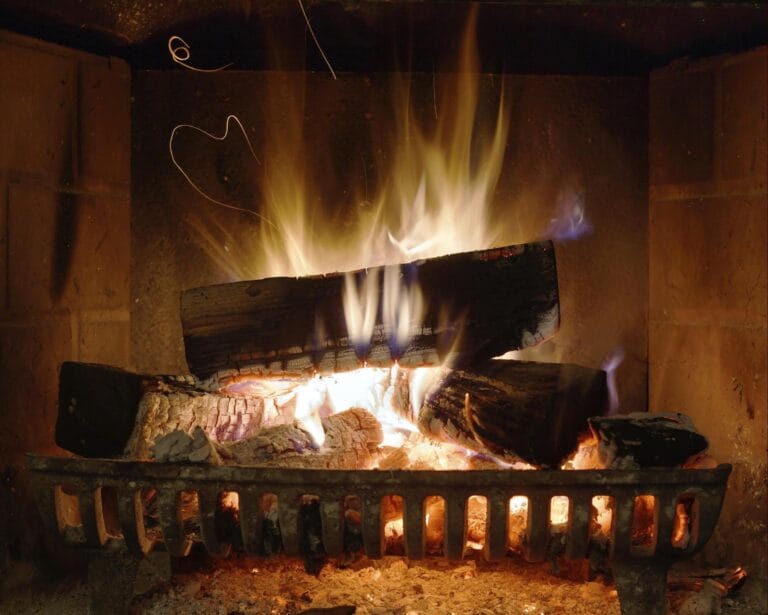
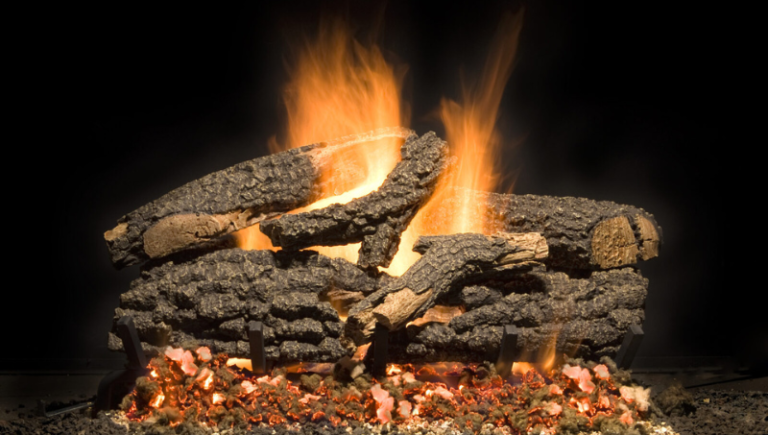
Yes. Wood-burning fireplaces build creosote and need sweeping at least once a year, and sooner if you burn more than a cord of wood. Gas fireplaces burn cleaner, but they still collect debris, moisture damage and animal nests, so they need an annual look. If your gas logs are sooty or the flame has changed, a gas log refurbishment may be what you need rather than a sweep. We covered the schedule in more detail in our guide to how often to schedule chimney cleaning in Dallas homes.
Will we find something that needs repair?
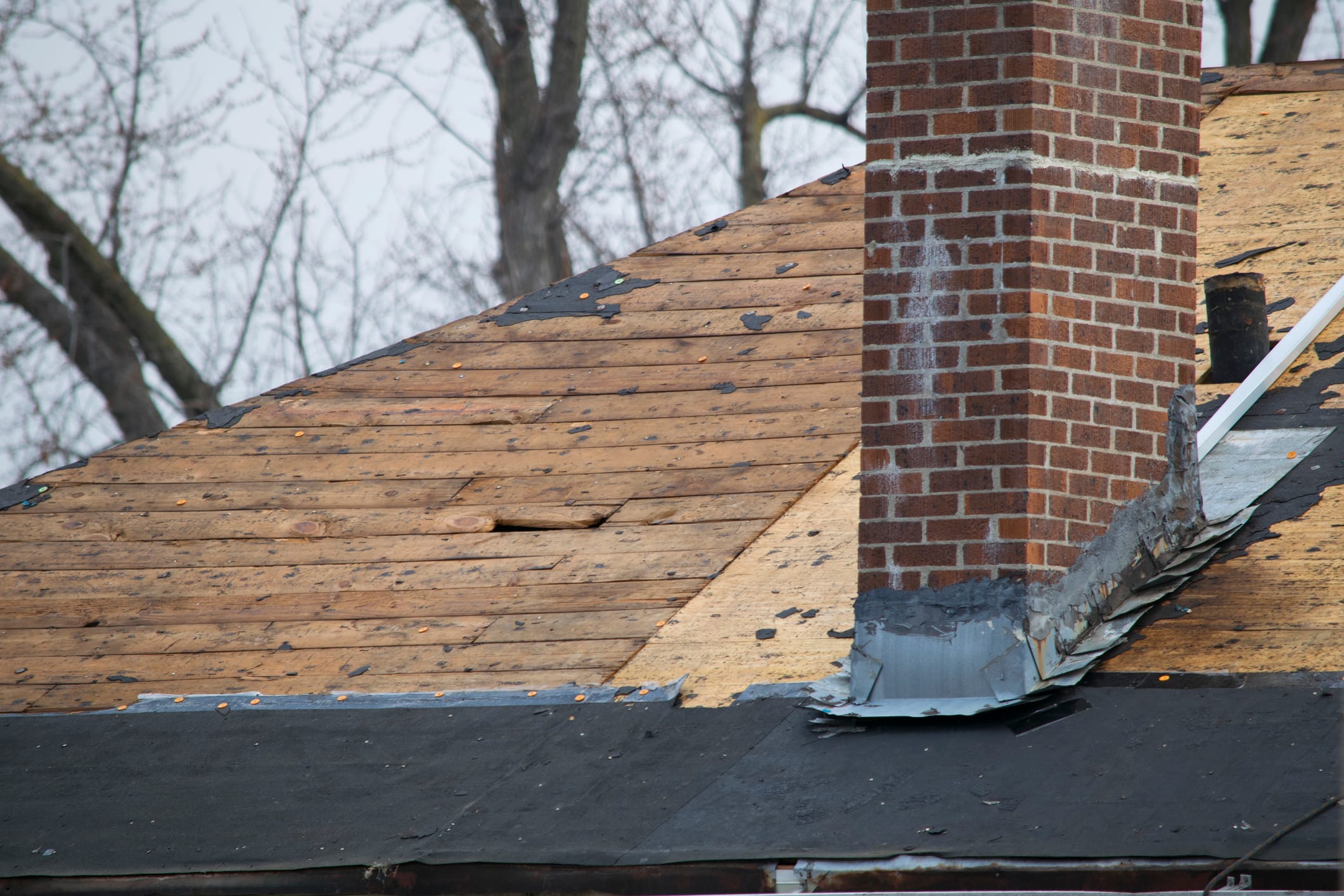
Sometimes. North Texas puts chimneys through a lot: summer heat, sudden cold snaps, hail and heavy spring rain. The most common things we flag are a cracked or crumbling crown, failing flashing, missing or rusted caps, and water getting in. Our chimney repair and custom chimney caps pages explain the options, and every cap we fabricate carries our lifetime guarantee. We will always separate urgent safety issues from things that can wait a season.
Local service across DFW
We work out of three shops: Dallas, Wylie and Plano, so a crew is close to you whether you live in Highland Park, Richardson, Frisco, Rockwall or anywhere in between. See the full list on our service area page, and read what neighbors say on our reviews page.
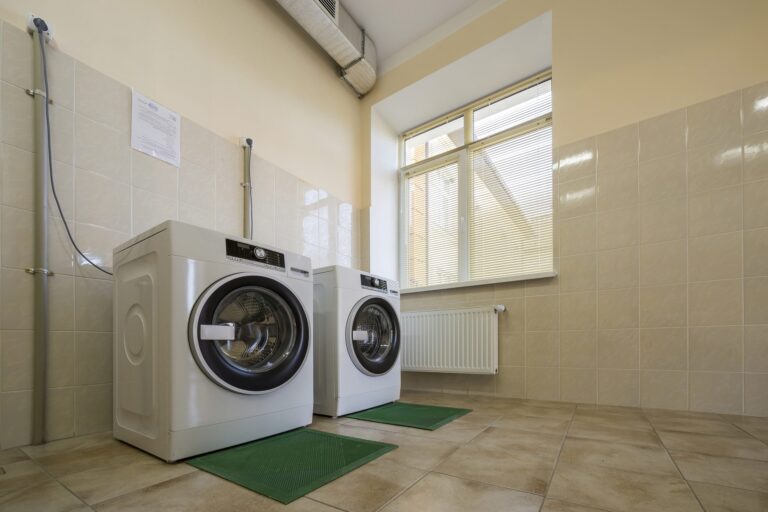
Dryer vent not drying like it used to? We clean those as well. Take a look at dryer vent cleaning and consider scheduling both on the same visit.
Frequently Asked Questions
Is a chimney cleaning messy?
It should not be. We cover the floor and furniture around the hearth, seal the fireplace opening and use high-powered vacuums while we sweep, then clean up before we leave.
Do I need to be home during the cleaning?
An adult should be there to let us in and to review the findings at the end. You do not have to stand over the work.
How long should my fireplace be cold before a cleaning?
Ideally, 24 hours. A cold firebox is safer to work in and keeps soot and ash from spreading.
How often should I get my chimney cleaned?
The NFPA recommends an annual inspection for all chimneys, with cleaning as needed. Heavy wood-burning households may need it more often.
Do gas fireplaces need a chimney cleaning?
They produce less buildup, but they can still have blockages, moisture damage and worn parts, so an annual inspection is still recommended.
Will you quote the price before starting?
Yes. We quote up front and stand by it, with no hidden fees.
Ready for a clean, safe chimney?
Book a chimney cleaning with the Dallas-Fort Worth team that has been sweeping chimneys since 1980. Clear pricing, tidy work, honest findings. Request a Chimney Cleaning